


What is a Urinary Tract Infection?
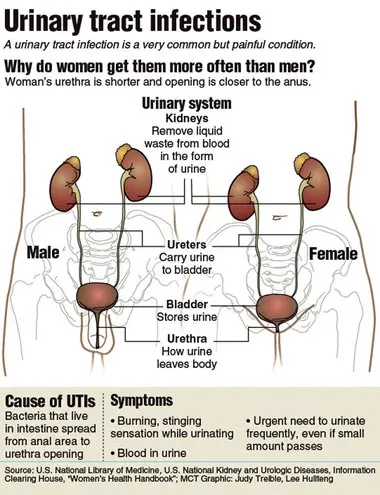
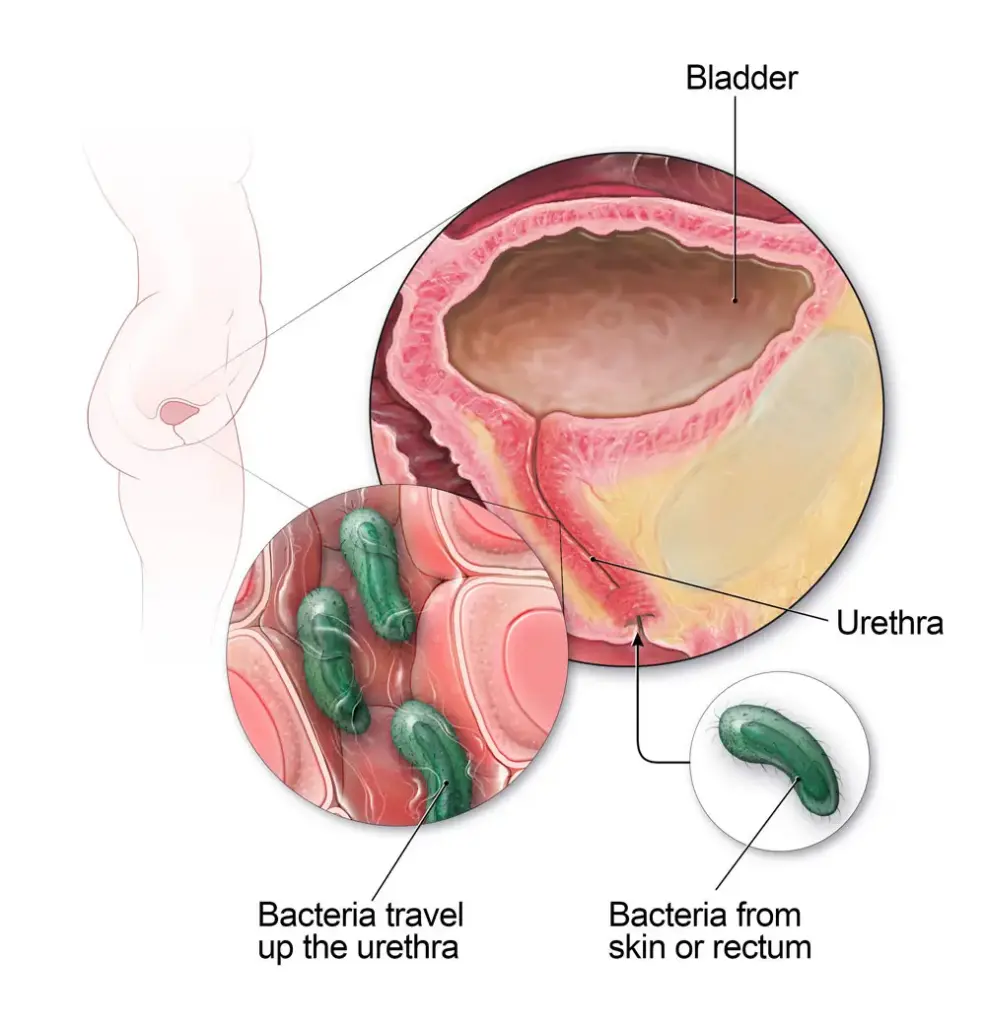
Urinary Tract Infections (UTIs) occur when bacteria, usually from the skin or rectum, enter the urethra and infect the urinary tract by multiplying. Bacteria can enter and travel to several parts of the urinary tract, but most commonly they reside in the bladder (cystitis).
Symptoms
If you have a UTI, there are a few symptoms to be aware of
For lower UTIs:
- Pain or burning while urinating
- Blood in the urine (hematuria)
- Back pain
- Pressure/cramping in the groin area or lower abdomen
- Urethral discharge
- Cloudy/foul-smelling urine
- Discolored urine (not yellow or clear)
- Frequent and/or urgent urination
- Feeling the need to urinate despite having an empty bladder
- Inability to urinate
- Passing small, frequent amounts of urine
For upper UTIs:
- High fever
- Nausea
- Vomiting
- Chills/shaking
- Abdominal pain (below the ribs)
Factors That Increase Risk for Developing a UTI
- Diabetes
- Enlarged prostate (men)
- Uncircumcised penis (men)
- Pregnancy
- Dehydration
- Menopause
- Bowel incontinence
- Kidney stones
- Having a urinary catheter
- Using diaphragm birth control (women)
- Increased sexual activity (even greater risk in having a new sexual partner)